
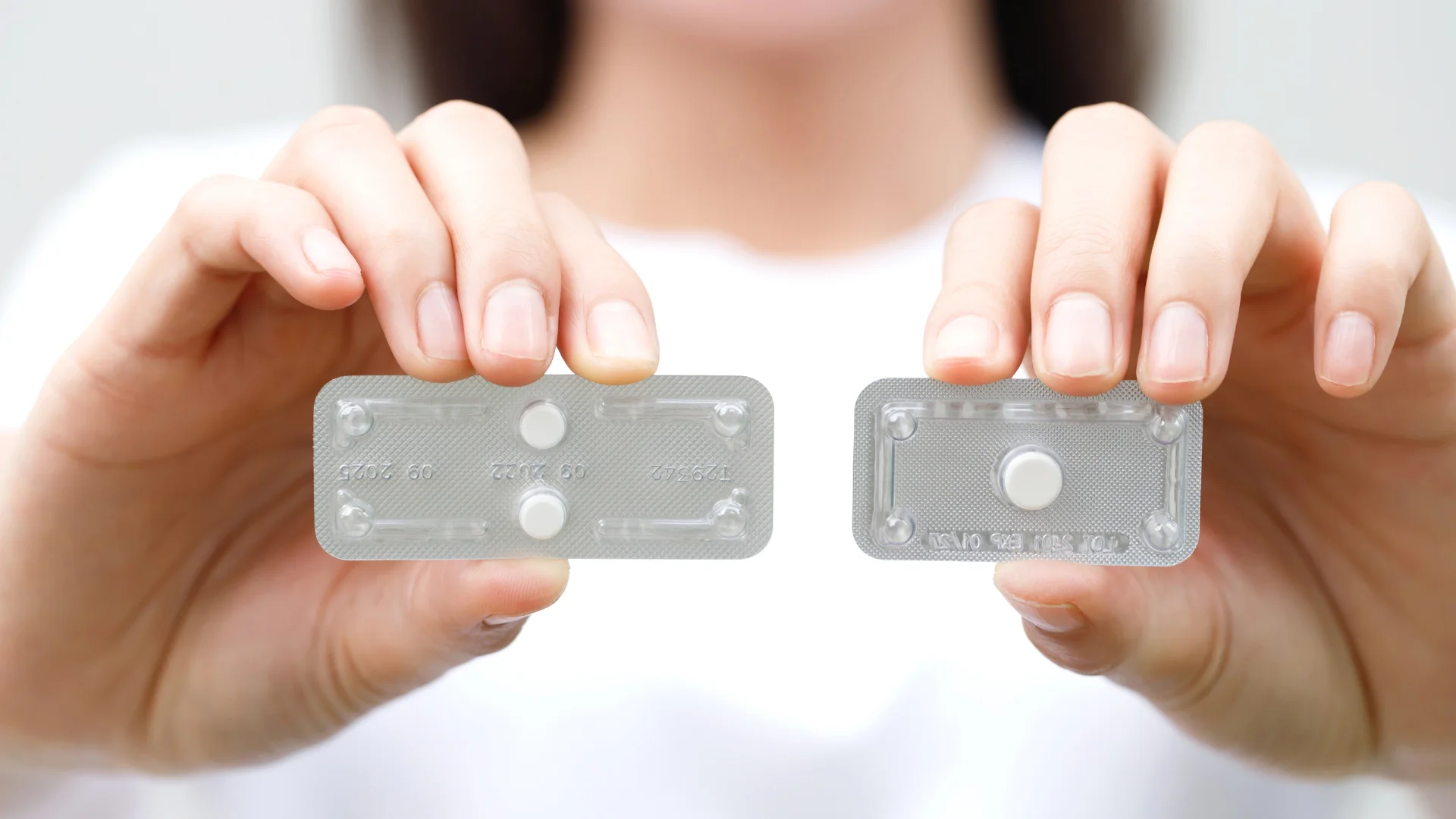
What Is Oral Contraception?
Oral contraception means taking a contraceptive medicine by mouth to prevent pregnancy. Most people simply call it 'the pill'. Oral contraceptive pills are reversible methods: you can stop taking them when you want to become pregnant, and fertility generally returns quickly after stopping.
There are two main types of regular oral contraceptive pills: combined oral contraceptives, which contain estrogen and a progestogen, and progestogen-only pills, often called the mini-pill. Both are taken regularly and must be used consistently to provide reliable pregnancy prevention.
The pill mainly prevents pregnancy by preventing or suppressing ovulation. It also changes cervical mucus, making it harder for sperm to reach an egg. It does not cause an abortion and does not terminate an established pregnancy.
The Different Types of Oral Contraceptive Pills
When people in Rwanda talk about 'ibinini byo kuboneza urubyaro', they may be referring to different medicines. It is important to know which type you are using because the instructions for starting, taking and missing pills can differ.
- Combined oral contraceptive pill (COC): contains two hormones, estrogen and a progestogen. Depending on the product, packs may contain 21 active pills or 28 pills containing active pills plus inactive reminder pills. Examples available in some settings include Microgynon and Lo-Femenal.
- Progestogen-only pill (POP), also called the mini-pill: contains a progestogen without estrogen. It can be useful for women who cannot use estrogen and is compatible with breastfeeding. The exact timing window for a missed pill depends on the specific product.
- Emergency contraceptive pill (ECP): this is not a regular daily contraceptive. It is used after unprotected sex or contraceptive failure, such as a broken condom or missed regular pills. Different emergency pills contain different medicines, so check the active ingredient on the package or ask a pharmacist or health professional.
How Effective Is the Pill?
The contraceptive pill is highly effective when taken correctly and consistently. However, effectiveness depends heavily on taking the pills as instructed.
According to current WHO guidance, with correct use, about 1 pregnancy occurs among every 100 women using the pill for one year. With typical use, about 4 to 7 pregnancies occur per 100 users per year. In other words, the pill is approximately 99% effective with correct use, while typical-use effectiveness is roughly 93% to 96%.
The difference between correct and typical use is mainly related to missed or late pills, starting a new pack late, vomiting or severe diarrhoea, and interactions with certain medicines.
No contraceptive method is 100% effective. If avoiding pregnancy is particularly important to you and remembering a daily pill may be difficult, discuss longer-acting methods such as an implant or IUD with a health professional.
Pill Effectiveness at a Glance
The figures below describe pregnancy rates over approximately one year of contraceptive use. They should not be interpreted as the exact chance that one individual will become pregnant after one sexual encounter.
| Use | Approximate pregnancy rate | Approximate effectiveness |
|---|---|---|
| Correct and consistent use | About 1 pregnancy per 100 users per year | About 99% |
| Typical use | About 4–7 pregnancies per 100 users per year | About 93–96% |
How the Pill Compares With Other Methods
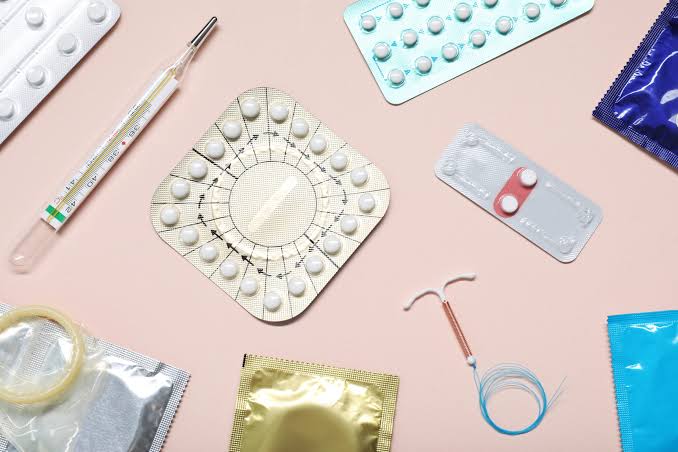
There is no single contraceptive method that is right for everyone. The best choice depends on your health, pregnancy plans, preferences, ability to remember doses, breastfeeding status and whether you need STI protection.
- Pill: taken every day and completely controlled by the user. It can be stopped at any time, but remembering it consistently is important.
- Implant: a small contraceptive rod placed under the skin of the upper arm. It provides long-term contraception without requiring a daily pill.
- Injectable: a contraceptive injection given at regular intervals, commonly every 3 months depending on the product.
- Copper IUD: a hormone-free device placed in the uterus. It provides long-term contraception and can also be used as emergency contraception when inserted within the recommended time.
- Condoms: help prevent pregnancy and are also the main contraceptive method that protects against HIV and other sexually transmitted infections.
How to Start Taking the Pill
Before starting a contraceptive pill, a health professional can help determine which type is appropriate for you and whether there is a reasonable possibility that you are already pregnant. For combined hormonal contraception, blood pressure should be checked because high blood pressure can affect whether the method is appropriate.
- Follow the instructions for the specific pill you were given. Different products can have different schedules.
- If a combined pill is started within the first 5 days after menstrual bleeding begins, contraceptive protection generally starts immediately.
- If a combined pill is started later in the menstrual cycle, use condoms or avoid sex until the pill has been taken for the recommended number of consecutive days.
- The mini-pill can usually be started immediately when pregnancy can reasonably be excluded, but the time needed for protection can depend on the product and when it is started.
- Take one active pill every day, preferably at the same time. Consistency is especially important with progestogen-only pills.
- For a 28-day pack, start the next pack according to the product instructions, usually immediately after finishing the previous pack.
- For a 21-day combined-pill pack, take the scheduled hormone-free interval and begin the next pack on time. Do not extend the hormone-free interval.
What Happens If You Miss a Pill?
Missing pills is one of the main reasons pregnancy can occur while using oral contraception. The exact advice depends on the type of pill, how many pills were missed and where you are in the pack.
For combined oral contraceptives, current guidance distinguishes between a pill that is late, one pill that is missed, and two or more consecutive hormonal pills that are missed.
- One hormonal pill is less than 24 hours late: take it as soon as you remember and continue the remaining pills at the usual time. Additional contraception is generally not required.
- One hormonal pill has been missed by 24 to less than 48 hours: take it as soon as possible and continue the rest of the pack normally. This may mean taking two pills on the same day. Additional contraception is generally not required.
- Two or more consecutive hormonal pills have been missed: take the most recently missed hormonal pill as soon as possible, continue the pack and use condoms or avoid sex until hormonal pills have been taken correctly for 7 consecutive days.
- If two or more pills were missed during the first week of a pack and unprotected sex occurred during the previous 5 days, emergency contraception may need to be considered.
- If pills were missed near the end of the active-pill portion of the pack, the usual hormone-free interval may need to be skipped. Follow the instructions for your specific product or ask a health professional.
- For mini-pills, the rules depend on the exact active ingredient. Some products have a 3-hour window, while others allow a longer window. Check the package instructions rather than assuming all mini-pills have the same rule.
- If you vomit soon after taking a pill or have severe diarrhoea, the medicine may not have been fully absorbed. Follow the missed-pill instructions for your specific product.
If you are unsure what to do after missing pills, do not guess. Bring the packet to a pharmacy or health facility so the exact pill can be identified and you can receive the correct advice.
Emergency Contraception: What You Should Know
Emergency contraception is used after unprotected sex or when regular contraception may have failed. Examples include a broken condom, missed contraceptive pills or sexual intercourse without contraception.
Emergency contraception should be used as soon as possible. Its effectiveness generally decreases as time passes, so do not wait until the last possible day if you can take it sooner.
- Levonorgestrel emergency pills are most effective when taken as soon as possible, preferably within 72 hours. WHO guidance allows emergency contraception options to be used within 5 days depending on the method, but effectiveness varies by product and timing.
- Ulipristal acetate is another emergency contraceptive pill that can be used within 120 hours where it is available and medically appropriate.
- A copper IUD inserted within 5 days of unprotected sex is the most effective form of emergency contraception and provides ongoing contraception afterward.
- Emergency contraceptive pills mainly work by delaying or preventing ovulation. They do not end an established pregnancy.
- Emergency contraception does not protect against HIV or other STIs.
- If there has also been a possible HIV exposure, seek urgent medical care because HIV post-exposure prophylaxis (PEP) is time-sensitive and should be started as soon as possible.
Emergency contraception is intended for emergencies rather than as the main contraceptive method. If you need emergency contraception repeatedly, a health professional can help you choose a regular method that is easier and more reliable for your circumstances.
How Effective Is Emergency Contraception?
Emergency contraception does not have one single success rate because effectiveness depends on the method used, how soon it is used, whether ovulation has already occurred and, for some methods, individual factors such as body weight.
The copper IUD is more than 99% effective as emergency contraception when inserted within the recommended time. Emergency contraceptive pills are less effective than the copper IUD and work best when taken as soon as possible.
A number such as '95% effective' should not be interpreted as meaning that every woman has exactly a 95% chance of avoiding pregnancy after taking an emergency pill. Effectiveness is influenced by the circumstances surrounding the unprotected sex and by the timing of treatment.
Emergency Contraceptive Pills Available in Rwanda
Several emergency contraceptive products are registered or marketed in Rwanda. For example, Rwanda FDA product information confirms levonorgestrel 1.5 mg products such as Zee-1. Other brands may contain levonorgestrel or a different active ingredient.
Do not choose an emergency pill based only on the brand name or price. Check the active ingredient and dose, and ask a pharmacist or health professional if you are unsure which product to use.
- Take emergency contraception as soon as possible after unprotected sex.
- If you vomit within the time specified in the product information, you may need another dose.
- Your next menstrual period may come earlier or later than expected, and temporary bleeding changes can occur.
- If your period is significantly late or pregnancy symptoms develop, take a pregnancy test and seek medical advice.
Can You Skip or Delay Your Period With the Pill?
Yes. Some people using combined oral contraceptives choose to take active pills continuously and skip the hormone-free interval. This can be useful when someone wants to reduce or avoid withdrawal bleeding during travel, an important event, sport or other activities.
Spotting or breakthrough bleeding can occur, especially during the first months of continuous use. It does not necessarily mean that the pill has stopped working.
The exact way to use a pill continuously depends on the formulation and pack. Follow the instructions for your specific product or ask a health professional.
The mini-pill is taken continuously and does not normally include a planned monthly break.
Benefits Beyond Pregnancy Prevention
- Periods may become lighter and more predictable with some combined pills.
- Menstrual cramps and heavy menstrual bleeding may improve.
- Reduced menstrual blood loss can help reduce the risk of iron-deficiency anaemia.
- Combined oral contraceptives can reduce the long-term risk of ovarian and endometrial cancer.
- Some combined pills can improve acne.
- Some people experience improvement in symptoms associated with conditions such as endometriosis or painful ovulation.
- Fertility returns quickly after stopping oral contraception.
- You remain in control of the method and can stop taking it without a procedure.
Common Side Effects
Side effects vary from person to person. Many are mild and improve after the first few months as the body adjusts.
- Spotting or changes in menstrual bleeding
- Nausea
- Headache
- Breast tenderness
- Mood changes
- Changes in menstrual flow
- Acne may improve or worsen depending on the person and the formulation
Side effects do not automatically mean that the pill is dangerous or that you need to stop immediately. If symptoms are severe, persistent or affecting your daily life, contact a health professional. Another pill formulation or another contraceptive method may be more suitable.
When Should You Seek Urgent Medical Care?
Serious complications from hormonal contraception are uncommon, but some symptoms require urgent assessment, particularly in people using estrogen-containing combined pills.
- Sudden chest pain or difficulty breathing
- Sudden severe headache unlike your usual headaches
- Sudden weakness or numbness, especially on one side of the body
- Sudden difficulty speaking or seeing
- Severe or unusual abdominal pain
- Painful swelling, redness or tenderness in one leg
- Severe allergic reaction, such as swelling of the face or difficulty breathing
These symptoms can have many causes, but they should not be ignored. Seek urgent medical assessment rather than simply stopping the pill and waiting for symptoms to disappear.
Who May Need to Avoid or Use Extra Caution With the Combined Pill?
Combined pills contain estrogen, so they are not suitable for everyone. Current WHO medical eligibility guidance assesses contraceptive safety according to the individual's medical condition and circumstances.
Tell your health professional if any of the following apply to you:
- You have high blood pressure.
- You have ever had a blood clot in a leg or lung.
- You have had a stroke or certain types of heart disease.
- You smoke and are aged 35 or older.
- You have migraine with aura, such as flashing lights or zigzag lines before the headache.
- You have current or previous breast cancer.
- You have severe liver disease.
- You have recently given birth or are breastfeeding.
- You take medicines that may interact with hormonal contraception.
- You have another medical condition for which you are unsure whether estrogen is safe.
This list is not exhaustive. Having one of these conditions does not always mean that every contraceptive method is unsuitable. A health professional can assess your individual situation and discuss alternatives such as a progestogen-only pill, implant, injectable, IUD or another method.
The Pill After Childbirth and During Breastfeeding
Breastfeeding affects which contraceptive methods may be appropriate immediately after childbirth.
Progestogen-only pills can generally be used during breastfeeding and do not contain estrogen. Combined hormonal pills require more caution in the early postpartum period because estrogen can increase blood-clot risk and may affect milk supply.
The appropriate time to start a combined pill after childbirth depends on breastfeeding status and other risk factors. Ask a qualified health professional before starting one soon after delivery.
Medicines That Can Affect Hormonal Contraception
Most medicines do not make oral contraceptive pills ineffective. However, some medicines can reduce the effectiveness of certain hormonal contraceptives by increasing the breakdown of contraceptive hormones.
- Rifampicin and rifabutin, medicines used to treat tuberculosis and some other infections
- Some anti-seizure medicines, including carbamazepine and phenytoin
- Certain medicines used to treat HIV
- Some other enzyme-inducing medicines
- Certain herbal products, including St John's wort
Always tell your health professional or pharmacist about every medicine, supplement and herbal or traditional remedy you use. Do not stop an important medicine simply because you are taking contraception.
What About HIV Treatment?
People living with HIV can use contraception, but the choice of method may need to take account of the antiretroviral medicines being used.
Some HIV medicines can interact with hormonal contraceptives. The exact interaction depends on the antiretroviral regimen and the contraceptive method.
If you are taking HIV treatment, tell your family planning provider exactly which medicines you use so they can recommend an appropriate contraceptive option.
What Happens When You Stop the Pill?
You can stop oral contraception when you want. There is no requirement to take a 'break' after using the pill for several years.
Fertility generally returns quickly after stopping the pill or mini-pill. You can become pregnant soon after stopping, even before your periods have returned to their usual pattern.
Some people experience temporary changes in menstrual bleeding after stopping. If your period does not return and pregnancy is possible, take a pregnancy test and seek medical advice.
If you do not want to become pregnant after stopping the pill, start another contraceptive method immediately according to its instructions.
Myths and Facts About the Pill
Misinformation can prevent people from choosing a contraceptive method that could work well for them. Here are some common questions and misconceptions.
- Myth: The pill makes you infertile. Fact: Oral contraceptives do not cause infertility. Fertility returns quickly after stopping.
- Myth: You need to take a break from the pill every few years. Fact: There is no medical requirement for routine 'rest' periods. Unnecessary breaks can create an opportunity for an unintended pregnancy.
- Myth: The pill causes abortion. Fact: Regular oral contraceptives prevent pregnancy; they do not terminate an established pregnancy.
- Myth: The pill causes birth defects in future pregnancies. Fact: Current evidence does not show that previous use of oral contraceptives causes birth defects in future pregnancies.
- Myth: The pill protects against HIV. Fact: It does not. Use condoms when STI or HIV protection is needed.
- Myth: Every headache means I must stop the pill. Fact: Headaches can occur with hormonal contraception, but a new, severe or unusual headache needs medical assessment.
- Myth: The pill always causes weight gain. Fact: Weight changes can occur for many reasons, and significant weight gain is not an inevitable effect of oral contraceptives.
- Myth: Emergency contraception causes abortion. Fact: Emergency contraceptive pills work mainly by delaying or preventing ovulation. They do not terminate an established pregnancy.
- Myth: Emergency contraception is always 100% effective. Fact: No emergency contraceptive pill is 100% effective. Effectiveness depends on the method and how soon it is used.
- Myth: Contraception is only for married women. Fact: Family planning services are intended to support people in making informed decisions about whether and when to become pregnant, subject to applicable laws and service policies.
The Pill Does Not Protect Against STIs
This is one of the most important points to remember: oral contraceptive pills prevent pregnancy but do not protect against HIV or other sexually transmitted infections.
If there is a risk of HIV or another STI, use condoms in addition to your contraceptive method.
Family Planning in Rwanda Today
Family planning is widely used in Rwanda. According to the 2025 Rwanda Demographic and Health Survey, 69% of currently married women were using a family planning method, including 64% using a modern method and 5% using a traditional method.
Among currently married women, implants were the most commonly used modern method at 34%, followed by injectables at 14% and pills at 7%. Among sexually active unmarried women, 52% were using a modern method; implants were used by 25%, injectables by 14%, male condoms by 8%, and pills by 3%.
These figures show that the pill is one option among several modern contraceptive methods used in Rwanda. The choice of method should be based on individual health needs, preferences, pregnancy plans and how practical the method is for the person using it.
Where to Get the Pill in Rwanda
Oral contraceptives may be available through public health facilities, community-based family planning services, private clinics and licensed pharmacies, depending on the method and local availability.
Availability, product brands and prices can change. If you are buying a contraceptive from a pharmacy, make sure you use a licensed pharmacy and check the product name, active ingredient, dose, expiry date and packaging.
- Public health facilities: ask about available family planning services and methods.
- Community-based services: some trained community health workers provide or support access to family planning services according to Rwanda's programme arrangements.
- Licensed pharmacies: availability and prices vary between products and pharmacies.
- Private clinics: professional counselling can help you choose and safely start a method based on your medical history.
Because medicine prices and availability change, ClinicRW recommends confirming the current price and availability directly with the facility or pharmacy rather than relying on an old price quoted online.
Buying Contraceptive Pills Safely
Buy contraceptive medicines only from licensed pharmacies, health facilities or other authorized providers. Avoid pills sold informally in markets or by unlicensed sellers because the product may be counterfeit, expired or improperly stored.
Do not choose a contraceptive solely because it is cheaper or because a friend uses it. Different pills contain different hormones and doses, and a method that is suitable for one person may not be suitable for another.
Is the Pill Right for You?
The pill can be a good option if you want a reversible method that you control yourself and you are able to take it consistently. It does not require a procedure, and fertility returns quickly after stopping.
However, daily contraception is not convenient for everyone. If remembering a pill every day is difficult, you may want to consider an implant, injectable or IUD. If you need protection from HIV or other STIs, condoms should also be used.
There is no universally 'best' contraceptive method. The right method is the one that is medically appropriate and fits your health, lifestyle, reproductive goals and preferences.
Family Planning Counselling at ClinicRW
ClinicRW offers private and confidential family planning consultations. Our team can review your medical history, current medicines, blood pressure and pregnancy plans, explain available contraceptive options, and help you choose a method that is appropriate for you.
We can also help if you have missed pills, experienced side effects, need emergency contraception, or want to change from one contraceptive method to another.
If you have had unprotected sex and are considering emergency contraception, do not unnecessarily delay seeking care. Emergency contraception works best when used as soon as possible.
Book a family planning consultation online or contact our team through WhatsApp. For urgent emergency contraception, you can also visit a licensed pharmacy or health facility promptly.
Frequently asked questions
How effective is the contraceptive pill?
With correct and consistent use, about 1 pregnancy occurs per 100 users in a year, which is approximately 99% effective. With typical use, about 4 to 7 pregnancies occur per 100 users per year, or roughly 93% to 96% effective. Missed and late pills are a major reason for the difference.
Can I take the pill while breastfeeding?
Yes, some contraceptive pills can be used during breastfeeding. Progestogen-only pills are generally compatible with breastfeeding. Combined pills require more caution soon after childbirth because estrogen can increase blood-clot risk and may affect milk supply. Ask a health professional which option is appropriate for you.
Can I get pregnant during the 7-day break?
A correctly taken combined pill can continue to protect you during the scheduled hormone-free interval, provided the previous active pills were taken correctly and the next pack is started on time. Extending the break increases the risk of pregnancy.
What should I do if I miss one contraceptive pill?
For a combined pill, if one hormonal pill is late or has been missed by less than 48 hours, take it as soon as you remember and continue the pack normally. You may take two pills on the same day. Additional contraception is generally not required. Rules can differ for mini-pills, so check the instructions for your exact product.
What if I miss two or more pills?
If two or more consecutive hormonal pills have been missed, take the most recently missed pill as soon as possible, continue the pack and use condoms or avoid sex until you have taken hormonal pills correctly for 7 consecutive days. Emergency contraception may be needed in some situations, particularly when pills were missed during the first week and unprotected sex occurred recently.
Is it safe to use emergency contraception more than once?
Emergency contraception can be used again if needed, but it is less suitable as a regular contraceptive method because regular contraception provides more consistent protection. Repeated use can also cause temporary menstrual changes. If you need emergency contraception repeatedly, discuss a regular method with a health professional.
How soon should I take the emergency pill?
As soon as possible. Levonorgestrel emergency contraception is most effective when taken early, preferably within 72 hours. Other emergency contraception options can be used within 5 days. A copper IUD inserted within 5 days is the most effective emergency contraceptive option.
Can emergency contraception cause an abortion?
No. Emergency contraceptive pills mainly work by delaying or preventing ovulation. They do not terminate an established pregnancy.
Can I use the pill if I have high blood pressure?
It depends on how high your blood pressure is and which contraceptive you want to use. Estrogen-containing combined pills may not be appropriate for some people with hypertension. A health professional should assess your blood pressure and medical history before recommending a method.
Can I use the pill if I get migraines?
It depends on the type of migraine. Migraine with aura is particularly important because estrogen-containing combined contraceptives may not be appropriate. Tell your health professional whether you experience visual changes, flashing lights, zigzag lines or other aura symptoms before starting a combined pill.
Will the pill interfere with my HIV treatment?
Some antiretroviral medicines can interact with hormonal contraception, while others do not significantly affect contraceptive effectiveness. Tell your healthcare provider exactly which HIV medicines you take so they can recommend an appropriate method.
How soon can I get pregnant after stopping the pill?
Fertility returns quickly after stopping oral contraceptives. You can become pregnant soon after stopping, even before your periods have completely returned to their previous pattern.
Can I use the pill to skip my period?
Some combined pills can be used continuously by taking active pills without the usual hormone-free interval. Spotting can occur. The exact instructions depend on the pill formulation, so follow the product instructions or ask a health professional.
Does the contraceptive pill protect against HIV?
No. Oral contraceptives prevent pregnancy but do not protect against HIV or other sexually transmitted infections. Use condoms if STI or HIV protection is needed.
Sources
- Oral contraceptives, World Health Organization (2025)
- Medical eligibility criteria for contraceptive use, 6th edition, World Health Organization (2025)
- Selected practice recommendations for contraceptive use, 4th edition, World Health Organization (2025)
- Family planning/contraception methods, World Health Organization (2025)
- Rwanda Demographic and Health Survey 2025: Key Indicators, National Institute of Statistics of Rwanda (2025)
- Zee 1 (Levonorgestrel 1.5 mg): Patient Information Leaflet, Rwanda Food and Drugs Authority (2025)
- Zee 1 (Levonorgestrel 1.5 mg): Summary of Product Characteristics, Rwanda Food and Drugs Authority (2025)
- Combined Hormonal Contraceptives: Recommended actions after late or missed pills, Centers for Disease Control and Prevention (2024)
This article is for general information and does not replace advice from a doctor who knows your health history.
Have questions or want to speak with a specialist?
Book a Consultation