
What Are STIs?
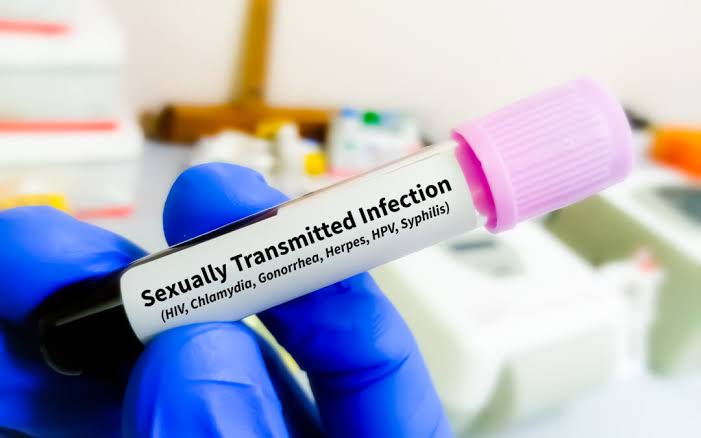
Sexually transmitted infections (STIs) are infections passed from one person to another through vaginal, anal or oral sex, and sometimes through close skin contact. They are very common, affect people of every age and background, and most of them are easy to test for and treat.
The biggest danger is that many STIs cause no symptoms. You can have one for months or years without knowing, while it quietly damages your health and spreads to partners.
The Most Common STIs
- Chlamydia and gonorrhoea: bacterial infections that can be cured with antibiotics. Left untreated, they are a leading cause of infertility in both women and men.
- Syphilis: a bacterial infection that starts with a painless sore and can later damage the heart, brain and nerves. It can be passed to a baby during pregnancy.
- Trichomoniasis: a common parasite infection that causes discharge and irritation, cured with a short course of medicine.
- Genital herpes: causes painful blisters that come and go. It cannot be cured, but treatment controls outbreaks.
- HPV: very common and usually harmless, but some types cause genital warts or cervical cancer. It can be prevented with a vaccine.
- HIV and hepatitis B: long term viral infections. Both can be controlled with treatment, and hepatitis B can be prevented with a vaccine.
Warning Signs
- Unusual discharge from the vagina or penis
- Burning or pain when urinating
- Sores, blisters, warts or lumps around the genitals, anus or mouth
- Itching or irritation in the genital area
- Pain during sex, or bleeding after sex or between periods
- Pain in the lower belly or in the testicles
- A rash on the body, palms or soles of the feet
Who Should Get Tested
- Anyone with any of the symptoms above
- Anyone starting a relationship with a new partner
- Anyone with more than one partner, or whose partner has other partners
- Anyone whose partner has symptoms or has been diagnosed with an STI
- Every pregnant woman, as part of antenatal care
- Anyone who had unprotected sex or whose condom broke
Why You Should Not Self Treat
It is tempting to buy antibiotics from a pharmacy and hope for the best. This often fails. Different STIs need different medicines, several infections can be present at the same time, and some, like herpes and HIV, do not respond to antibiotics at all. Taking the wrong drug or an incomplete course also helps bacteria such as gonorrhoea become resistant, making future infections much harder to treat.
A proper test tells you exactly what you have. Your partner should be tested and treated too, otherwise you will pass the infection back and forth. Avoid sex until you have both finished treatment.
Exposed to HIV? Act Within 72 Hours
If you think you were exposed to HIV, for example through unprotected sex with a partner whose status you do not know, or through sexual assault, go to a health facility as soon as possible. A course of medicine called post exposure prophylaxis (PEP), started within 72 hours, greatly reduces the chance of infection.
Prevention
- Use condoms correctly every time you have sex.
- Get tested together before stopping condoms with a new partner.
- Reduce your number of sexual partners.
- Make sure you are vaccinated against hepatitis B, and that girls receive the HPV vaccine offered through Rwanda's school programme.
- Ask your doctor whether HIV pre exposure prophylaxis (PrEP) is right for you if you are at ongoing risk.
- Remember that the contraceptive pill, implant and injectable give no protection against STIs.
Myths and Facts
- Myth: You can tell if someone has an STI by looking at them. Fact: Most people with an STI look and feel completely healthy.
- Myth: STIs only affect people with many partners. Fact: A single encounter with an infected partner is enough.
- Myth: Oral sex is safe. Fact: Gonorrhoea, syphilis, herpes and HPV can all spread through oral sex.
- Myth: Washing after sex prevents STIs. Fact: Washing does not stop infection. Condoms do.
- Myth: Once treated, you cannot catch it again. Fact: You can be reinfected many times, which is why partners must be treated too.
Confidential Testing at ClinicRW
Our team offers private, confidential STI testing and treatment for women and men, with results explained clearly and without judgement. Couples are welcome to come together. Since 2025, young people aged 15 and older can also access sexual health services in Rwanda without a parent's consent.
Have questions or want to speak with a specialist?
Book a Consultation