
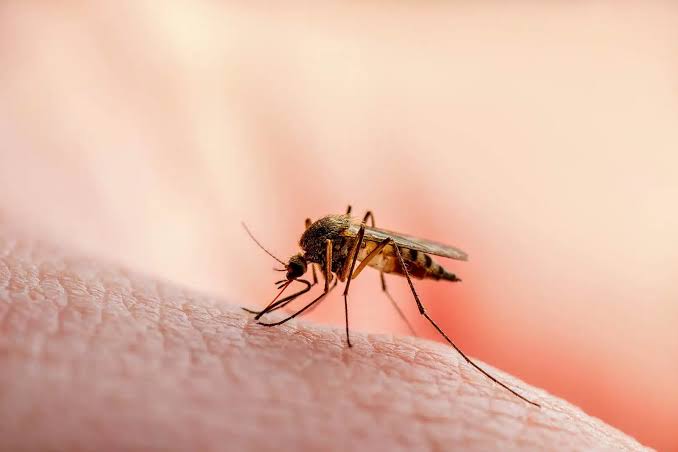
Why Malaria Is in the News Again
For years Rwanda was one of Africa's great malaria success stories. That progress has been tested recently. According to the Rwanda Biomedical Centre, malaria cases rose from about 610,000 in 2023/2024 to more than 1.1 million in 2024/2025. Numbers have eased a little since, but they remain well above where they were before the surge.
Kigali is not protected by being a city. Kicukiro District alone accounts for around 7% of national cases, and some sectors on the edge of the city have become hotspots. Changing weather, mosquitoes that resist common insecticides, and people travelling between high and low risk areas all play a part.
How Malaria Spreads
Malaria is caused by a parasite passed on through the bite of an infected female Anopheles mosquito. These mosquitoes bite mostly between dusk and dawn, which is why evenings and nights are the riskiest time.
Symptoms usually appear 10 to 15 days after the bite, although it can take longer. Malaria does not come from drinking dirty water, eating mangoes or getting caught in the rain. The only way to catch it is through a mosquito bite, a blood transfusion, or from a mother to her baby.
Early Symptoms
- Fever, which may come and go
- Chills, shivering and heavy sweating
- Headache
- Body and joint pain
- Tiredness and weakness
- Nausea, vomiting or loss of appetite
- In young children: irritability, refusing to eat or breastfeed, and diarrhoea
Danger Signs: Go to a Hospital Immediately
Malaria can become severe within hours, especially in children under five and pregnant women. Get emergency care if you notice any of these:
- Confusion, unusual sleepiness or difficulty waking up
- Convulsions (fits)
- Unable to drink, eat or breastfeed
- Vomiting everything
- Fast or difficult breathing
- Very dark urine, or passing very little urine
- Yellow eyes or skin
- Extreme weakness, such as being unable to sit or stand
Never Treat Malaria Without a Test
Many fevers are not malaria. Typhoid, urinary infections, flu and other illnesses cause similar symptoms and need completely different treatment. A rapid malaria test gives a result in about 15 to 20 minutes, so there is no reason to guess.
Taking leftover tablets or medicine bought without a test does real harm. It can hide the true cause of your illness, and incomplete or incorrect treatment helps the parasite become resistant to the drugs that still work. Rwanda now rotates different malaria treatments across districts to slow that resistance. If you are prescribed treatment, finish the full course even when you feel better after a day or two.
Free Testing Close to Home
Every village in Rwanda has community health workers trained to test for malaria and treat uncomplicated cases free of charge. In 2024/2025, about half of all malaria patients in the country were treated this way, without needing to travel to a health centre. If you feel unwell, getting tested the same day is the single best thing you can do.
Protecting Your Household
- Sleep under an insecticide treated net every night, all year round. Check it for holes and tuck the edges under the mattress.
- Remove standing water around your home every week: buckets, old tyres, flower pots, blocked gutters and bottle tops can all breed mosquitoes. Umuganda is a good moment to clear your area together.
- Close doors and windows at dusk, and fit mosquito screens if you can.
- Use mosquito repellent and wear long sleeves and trousers in the evening.
- If your home is offered indoor spraying, allow it and avoid repainting the walls soon afterwards.
- Pregnant women should attend every antenatal visit, where malaria prevention is part of routine care.
Myths and Facts
- Myth: Adults who have had malaria many times are immune. Fact: Repeated infections give only partial protection, and adults can still develop severe malaria.
- Myth: Once the fever goes, you can stop the medicine. Fact: Stopping early leaves parasites in your blood and encourages drug resistance. Always complete the course.
- Myth: Malaria is only a problem in rural areas. Fact: Urban and peri urban neighbourhoods in Kigali now record thousands of cases.
- Myth: A net is enough on its own. Fact: Nets protect you while you sleep. Clearing breeding sites and avoiding evening bites add further protection.
Malaria Testing and Care at ClinicRW
Our laboratory provides fast malaria testing, and our Internal Medicine team treats both simple and complicated cases, including follow up care for people who keep getting reinfected. If you or your child has a fever, come in for a test the same day. Early treatment prevents severe illness.
Have questions or want to speak with a specialist?
Book a Consultation