
Why Periods Hurt
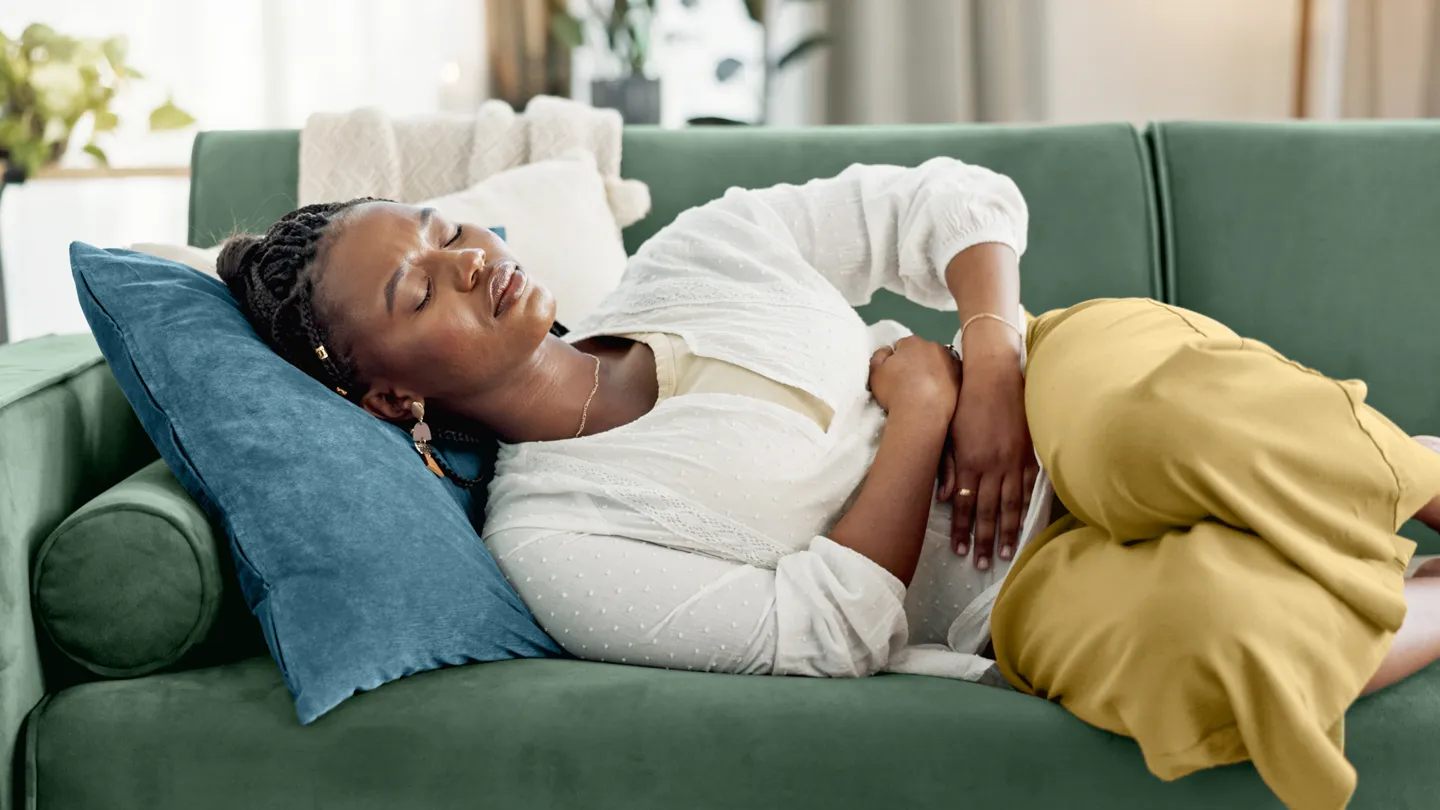
During your period, the womb contracts to shed its lining. These contractions are driven by chemicals called prostaglandins, and the more of them your body produces, the stronger the cramps. This kind of pain is very common, especially in teenagers and young women, and it is usually not a sign of disease.
Many women grow up being told that pain is simply part of being a woman. Some pain is normal. Pain that regularly keeps you away from school, work or daily life is not, and it deserves a proper medical check.
Signs Your Period Pain Is Probably Normal
- It starts just before or when bleeding begins
- It lasts one to three days
- It eases with ordinary painkillers, heat or rest
- It has stayed about the same, or improved, as you have got older
Signs Something Else May Be Going On
- Pain that regularly stops you from working, studying or looking after your family
- Painkillers do not help
- Pain that starts days before your period or continues after it ends
- Pain during or after sex
- Very heavy bleeding: soaking a pad every one to two hours, passing large clots, or periods lasting more than seven days
- Bleeding between periods or after sex
- Pain that started later in life, or has become steadily worse
- Difficulty getting pregnant
Conditions That Can Cause Painful Periods
- Endometriosis: tissue similar to the womb lining grows outside the womb, causing pain, and sometimes fertility problems. It often takes years to diagnose because women are told their pain is normal.
- Fibroids: noncancerous growths in the wall of the womb. They are very common, particularly among women of African descent, and can cause heavy, painful periods.
- Adenomyosis: the womb lining grows into the muscle wall of the womb, often causing heavy and painful periods in women over 30.
- Pelvic inflammatory disease: an infection of the reproductive organs, often following an untreated sexually transmitted infection.
- Ovarian cysts: fluid filled sacs on the ovaries, most of which are harmless but some of which cause pain.
What Actually Helps
- Painkillers such as ibuprofen or mefenamic acid work best when taken at the first sign of pain, with food. Follow the dose on the packet. Avoid them if you have stomach ulcers, kidney disease or asthma that worsens with these medicines, and use paracetamol instead.
- A hot water bottle or warm cloth on your lower belly relaxes the muscles of the womb.
- Gentle exercise such as walking or stretching often reduces cramps.
- Hormonal contraception, including the pill, the implant and the hormonal IUD, can make periods lighter and much less painful. Your doctor can advise which suits you.
- Rest and enough sleep, especially on the first day.
Myths and Facts
- Myth: Severe period pain is normal and you just have to cope. Fact: Pain that disrupts your life often has a treatable cause.
- Myth: Painful periods mean you cannot have children. Fact: Most women with painful periods have no fertility problems. Conditions like endometriosis can affect fertility, which is another reason to get checked.
- Myth: Having a baby always cures period pain. Fact: It sometimes improves after childbirth, but not for everyone, and conditions like endometriosis and fibroids do not disappear this way.
- Myth: You should not exercise or bathe during your period. Fact: Both are safe and can help you feel better.
Getting Checked at ClinicRW
Our Obstetrics & Gynecology team listens to your symptoms, examines you, and can arrange a pelvic ultrasound and laboratory tests where needed. Once we know the cause, we will explain your treatment options clearly, from medication to minor procedures. Keep a note of your period dates, pain levels and bleeding for two or three months before your visit. It makes diagnosis much easier.
Have questions or want to speak with a specialist?
Book a Consultation