
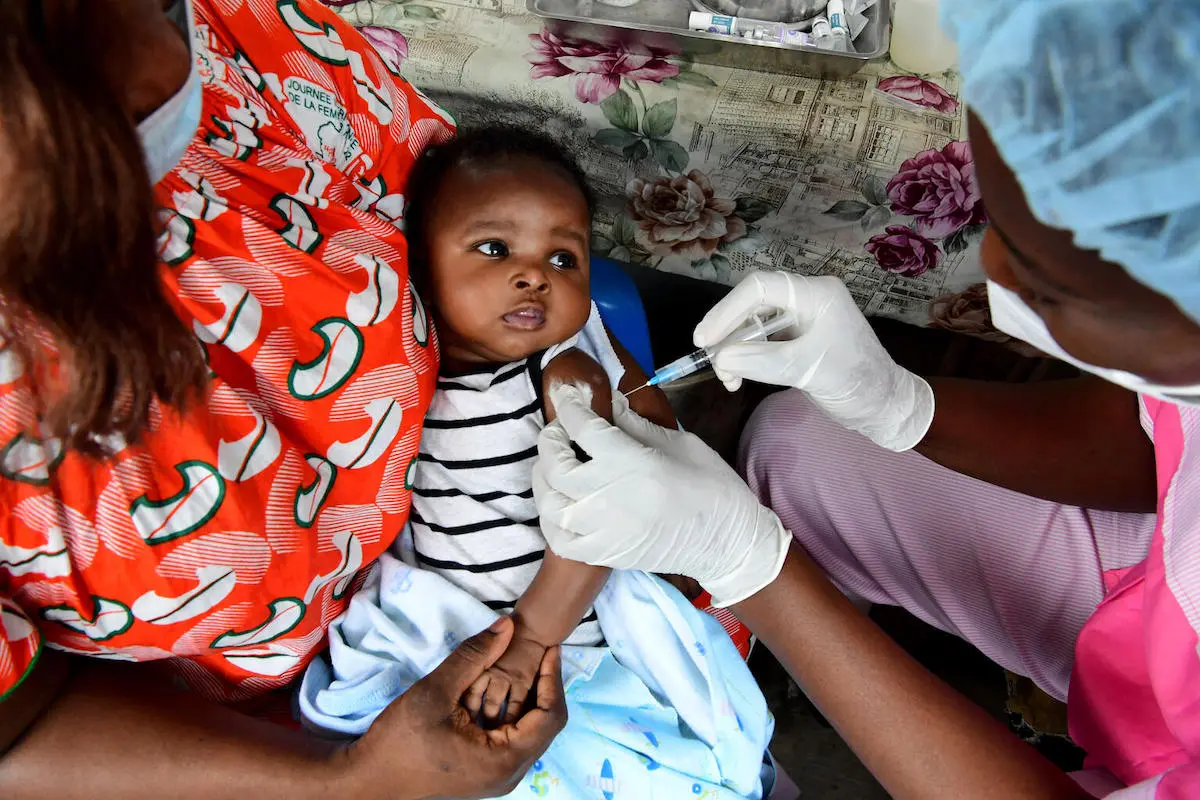
Why Vaccines Matter
Vaccines train the immune system to recognise and fight specific diseases without the child having to suffer through the illness itself. They protect not just individual children but the whole community - when enough people are vaccinated, diseases cannot spread easily, protecting those who cannot be vaccinated for medical reasons.
Rwanda has achieved remarkable vaccination coverage, regularly exceeding 90% for key vaccines. This success depends on every parent bringing their child for scheduled immunisations.
Rwanda's Immunisation Schedule at a Glance
The following vaccines are provided through Rwanda's Expanded Programme on Immunisation (EPI):
- At birth: BCG (tuberculosis), OPV-0 (polio), Hepatitis B
- 6 weeks: DTP-HepB-Hib (pentavalent), PCV (pneumococcal), OPV, Rotavirus
- 10 weeks: DTP-HepB-Hib, PCV, OPV, Rotavirus
- 14 weeks: DTP-HepB-Hib, PCV, OPV, IPV
- 9 months: Measles-Rubella (MR), Yellow Fever
- 15 months: MR booster
- Girls age 12–15: HPV (2 doses, six months apart)
What to Expect After Vaccination
Mild reactions are normal and show the immune system is responding. These include:
- Soreness, redness, or slight swelling at the injection site
- Low-grade fever for 24–48 hours
- Fussiness or drowsiness
When to Seek Medical Attention
Contact a doctor if your child develops a high fever above 39 °C, prolonged crying lasting more than three hours, difficulty breathing, or unusual behaviour after vaccination. These reactions are rare but require prompt evaluation.
At ClinicRW's Pediatrics department, our team can answer any questions about the vaccination schedule, administer catch-up vaccines for children who have missed doses, and monitor for reactions.
Have questions or want to speak with a specialist?
Book a Consultation